Portal:Hinduism


| Hinduism Portal | What is Hinduism? | Indices | Wikiproject |
IntroductionHinduism (/ˈhɪnduɪzəm/) is an Indian religion or dharma, a religious and universal order or way of life by which followers abide. As a religion, it is the world's third-largest, with over 1.2–1.35 billion followers, or 15–16% of the global population, known as Hindus. The word Hindu is an exonym, and while Hinduism has been called the oldest religion in the world, many practitioners refer to their religion as Sanātana Dharma (Sanskrit: सनातन धर्म, lit. ''the Eternal Dharma'') which refers to the idea that its origins lie beyond human history, as revealed in the Hindu texts. Another endonym is Vaidika Dharma, the dharma related to the Vedas. Hinduism is a diverse system of thought marked by a range of philosophies and shared concepts, rituals, cosmological systems, pilgrimage sites, and shared textual sources that discuss theology, metaphysics, mythology, Vedic yajna, yoga, agamic rituals, and temple building, among other topics. Described as a religious 'category' by Gavin Flood, prominent themes in Hindu beliefs include the four Puruṣārthas, the proper goals or aims of human life; namely, dharma (ethics/duties), artha (prosperity/work), kama (desires/passions) and moksha (liberation/freedom from the passions and the cycle of death and rebirth), as well as karma (action, intent and consequences) and saṃsāra (cycle of death and rebirth). Hinduism prescribes the eternal duties, such as honesty, refraining from injuring living beings (ahiṃsā), patience, forbearance, self-restraint, virtue, and compassion, among others. Hindu practices include worship (puja), fire rituals (homa/havan), devotion (bhakti), fasting (vrata), chanting (japa), meditation (dhyāna), sacrifice (yajña), charity (dāna), selfless service (sevā), learning and knowledge (jñāna), recitation and exposition of scriptures (pravacana), homage to one's ancestors (śrāddha), family-oriented rites of passage, annual festivals, and occasional pilgrimages (yatra). Along with the various practices associated with yoga, some Hindus leave their social world and material possessions and engage in lifelong Sannyasa (monasticism) in order to achieve moksha. (Full article...) Selected articles -
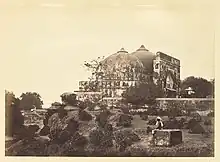
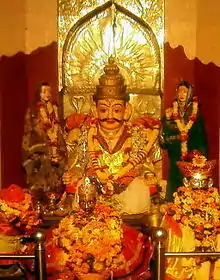
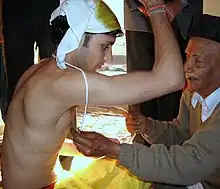
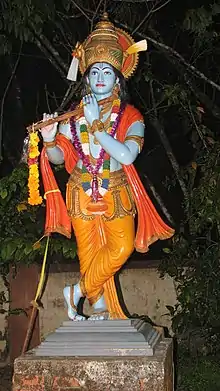
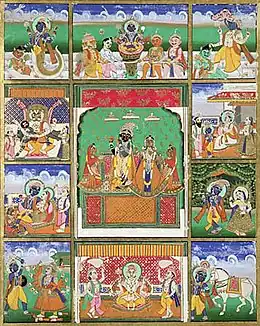
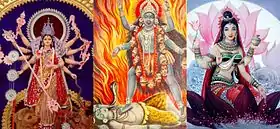
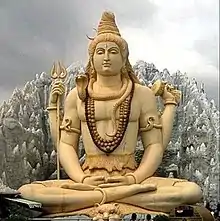
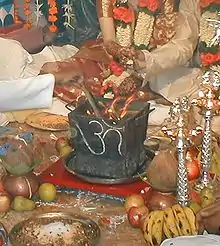
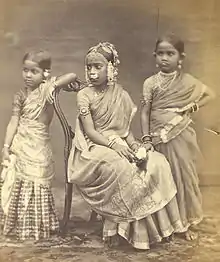
General images -The following are images from various Hinduism-related articles on Wikipedia.
Selected quote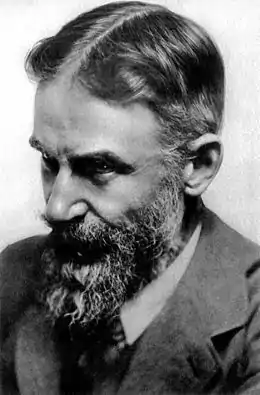
— George Bernard Shaw (1856-1950) Nobel Laureate in Literature
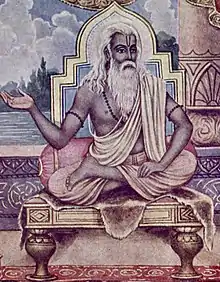
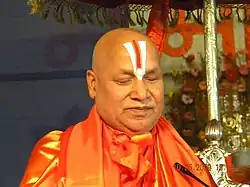
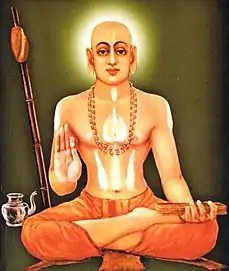
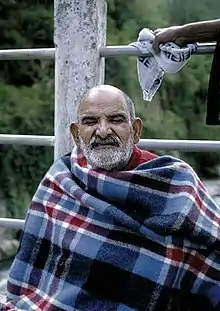
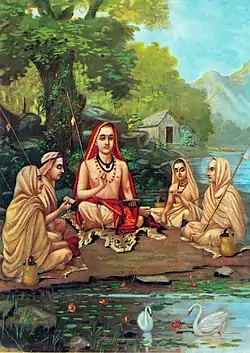
Selected biographies -
Did you know (auto-generated)
Subcategories Category puzzle Select [►] to view subcategories
Hinduism Hinduism by location Hindus Hinduism-related lists Hindu belief and doctrine Hindu culture Hindu denominations Hindu nationalism History of Hinduism Hindu practices Hinduism and other religions Hinduism and society Hindu studies Hindu temples Hindu religious workers Works about Hinduism Hinduism stubs Related portalsTopics
WikiProjects
Things you can doAssociated WikimediaThe following Wikimedia Foundation sister projects provide more on this subject:
Discover Wikipedia using portals
| ||||||||||||||||||||||||||||||||||||||||||||||||||||||||||||||||||||||||||




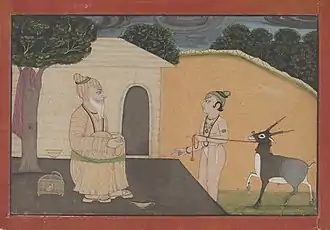
_LACMA_M.82.62.1_(1_of_2).jpg.webp)
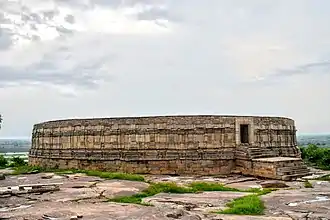
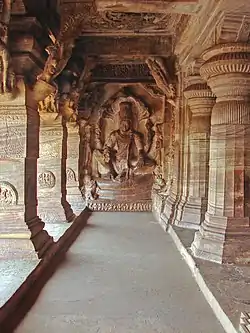
.jpg.webp)



_-_Hindu_First_Rice_Eating_Ceremony.JPG.webp)

._Various_eras._National_Museum_of_Scotland%252C_Edinburgh.jpg.webp)



.jpg.webp)
.jpg.webp)